



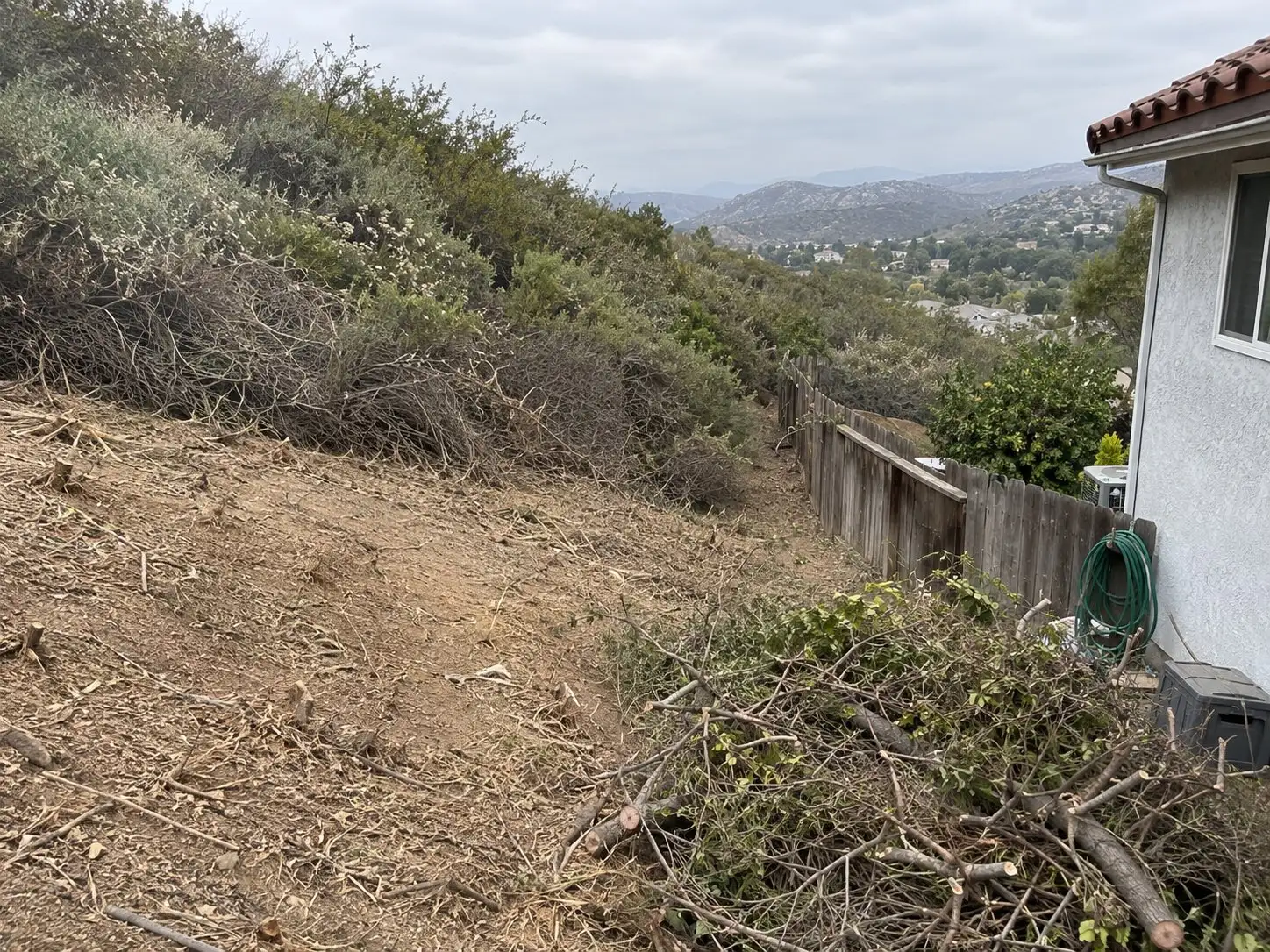
Poway is one of those places where the fire map is part of the sales conversation, not a footnote to it. The City of Poway’s own Fire Hazard Severity Zones page describes most of the city’s geography as falling inside one, and says real estate transactions in the Very High and High zones carry a hazard disclosure and inspection duty tied to California Civil Code section 1102.6f. If you are selling, the practical task is knowing which papers apply to your parcel and getting them done before a buyer asks.
Is your Poway property in a fire hazard severity zone?
Very likely, and the City page is the place to start. The City describes three state-identified levels, Very High, High and Moderate, and says it also designates additional Wildland Urban Interface areas of its own. Poway’s history here is local: after the Cedar Fire in 2003 and the Witch Fire in 2007, the City designated hazardous fire areas in November 2007. California issued its state hazard map through CAL FIRE in 2009, and the City combined the two into the Very High Fire Hazard Area map it still uses.
The City also notes that the state reviews the zones every five years. That matters for a seller because a zone designation is not frozen. A property that sat outside a zone on an older map can show up inside one on a newer map, so check the current City map and the state’s Fire Hazard Severity Zone Viewer for your address rather than relying on what a neighbor, or a listing from a few years ago, said.
Which law asks what of a Poway seller?
Three separate pieces of California law touch a sale in a High or Very High zone, and they are easy to blur together. Keeping them apart helps when a buyer’s agent asks for “the fire paperwork.”
The first is the Natural Hazard Disclosure statement. Under Civil Code section 1103.2, the seller states whether the property is in a High or Very High Fire Hazard Severity Zone as identified by the state, and whether that is a state or local responsibility area. A third-party provider usually prepares the report, and the statute lets sellers and agents state that they relied on that provider in good faith. Natural hazard disclosure reports explains the rest of what that report covers.
The second is Civil Code section 1102.6f, which adds a fire hardening notice for older homes. The third is Civil Code section 1102.19, which is about defensible space documentation. The next two sections take them one at a time.
What does the section 1102.6f notice say?
It applies to homes in High or Very High zones that were built before January 1, 2010, and it is a disclosure about the house itself. The seller gives the buyer a statement that the home was built before wildfire urban interface building codes took effect and directs the buyer to readyforwildfire.org for resources. The section also calls for a list of low-cost retrofits, tied to Government Code section 51189, with a note of which ones the seller has completed.
The notice then asks the seller to say which of these vulnerabilities the home has: vents with openings larger than one eighth of an inch, wood shingle or shake roofing, combustible materials within 5 feet of the home, single-pane windows, defective roof flashing, and unprotected gutters. If you have final inspection reports obtained under Government Code section 51182, the section expects you to provide copies where you have them.
Wildfire hardening and Chapter 7A covers the same vents, roofing and gutters from the construction side.
How do you get the defensible space inspection in Poway?
Civil Code section 1102.19 has applied since July 1, 2021 to sellers of property in a High or Very High zone. The seller must give the buyer documentation that the property complies with Public Resources Code section 4291 or with a local vegetation management ordinance. Where a local ordinance exists, the seller furnishes the documentation that ordinance requires.
Poway tells sellers exactly where to begin. On its Fire Codes and Regulations page, the City says a defensible space inspection is needed when you sell property in a high or very high fire hazard severity zone. You apply through the City of Poway Online Services Portal, registering for an account if it is your first visit and searching for “defensible space,” and then you call the number the City lists, (858) 668-4470, option 1, to schedule the inspection. Check the City page for the current steps before you rely on this, since portals and phone menus change.
Do this early. A passing inspection is paperwork a buyer can read. A request still pending in escrow is a loose end.
What does defensible space mean around a Poway house?
The state’s baseline sits in Government Code section 51182, which applies in a very high fire hazard severity zone designated by the local agency. It calls for defensible space of 100 feet from each side and from the front and rear of the structure, with an ember-resistant zone within 5 feet and more intense fuel reduction in the band beyond it. It also requires keeping any tree, shrub or plant that overhangs or sits next to a building free of dead or dying wood, and removing any part of a tree that extends within 10 feet of a chimney or stovepipe outlet.
Poway layers its own program on top. The City’s Wildfire Defensible Space Program manages highly flammable chaparral within the 100 foot zone around a structure. It describes individualized home assessments, public education and annual maintenance. The City asks owners to complete a no-fee application before removing vegetation so it can track what comes out, and it says the cost of the work itself varies greatly, so get your own bids rather than assuming a number.
The City also states that existing homes must meet its Zone 1 and Zone 2 requirements now, and that Zone 0 requirements take effect in January 2030. If you are selling ahead of that date, a buyer may ask whether the home is positioned to meet it, so it is worth asking the Fire Department what Zone 0 will mean at your address.
What if you cannot produce the documentation in time?
Section 1102.19 has a fallback, and it is a real one. If the documentation is not available, the seller and buyer must enter into a written agreement under which the buyer obtains the compliance documentation within one year after the close of escrow, or complies with any requirements of the local ordinance. The section also says it does not limit any agency’s enforcement of defensible space rules.
It hands a known task to the buyer at the moment they are deciding how much to trust the sale. A passing report in the file is stronger than a promise to produce one later.
How does this show up with buyers, lenders and insurers?
Expect the fire map to affect the conversation beyond the forms. The NHD report puts your zone in writing in the first days of the sale. A buyer’s inspector will look at the same exterior items the 1102.6f notice lists, and a buyer’s lender will ask whether the home can be insured, which runs straight into the same wildfire exposure.
Do not guess what a carrier will do. Ask your current insurer whether coverage continues through a sale, and ask a buyer’s likely agent or lender what evidence they want to see, such as a defensible space report or documented hardening work. If standard coverage is not available, California FAIR Plan explains how that program works. My homeowners insurance was non-renewed. Can I still sell my house? covers the situation if a non-renewal notice is already in your hand.
Anything you know beyond the checkboxes also counts. A deficiency notice you have not resolved or a known clearing problem is a material fact under California’s general disclosure rules. What am I legally required to disclose when selling a house in California? covers that wider standard.
The short version
Much of Poway sits in a Fire Hazard Severity Zone, so assume your sale carries three things: the NHD zone statement under Civil Code section 1103.2, the fire hardening notice under section 1102.6f if the home was built before 2010, and defensible space documentation under section 1102.19, which Poway has you request through its online services portal. Start the inspection request early, check the current map for your address, and keep your insurance and hardening records in order.
If you want a clear number for your specific property before any of this reaches a buyer’s desk, start with the home value tool.
Common questions
Do I have to disclose that my Poway home is in a fire hazard zone?
If the property is in a High or Very High Fire Hazard Severity Zone, yes. California's Natural Hazard Disclosure statement under Civil Code section 1103.2 asks the seller to say whether the home is in one, and the City of Poway lists a hazard disclosure and inspection duty for sales in its Very High and High zones.
Is the defensible space inspection required to sell in Poway?
For a sale in a High or Very High zone, state law (Civil Code section 1102.19) requires the seller to give the buyer documentation of defensible space compliance. In Poway the City says to request a real estate defensible space inspection through its online services portal.
What is the notice for homes built before 2010?
Civil Code section 1102.6f adds a fire hardening notice for homes in High or Very High zones that were built before January 1, 2010. It says the home predates wildfire urban interface building codes, points the buyer to readyforwildfire.org, and asks which listed vulnerabilities the home has.
Can I just check the zone myself?
Yes, and you should before listing. The City publishes a fire hazard map, and the state's Fire Hazard Severity Zone Viewer shows designations by property. Your NHD report provider will state the result in writing, so it is better to know what it will say first.
