



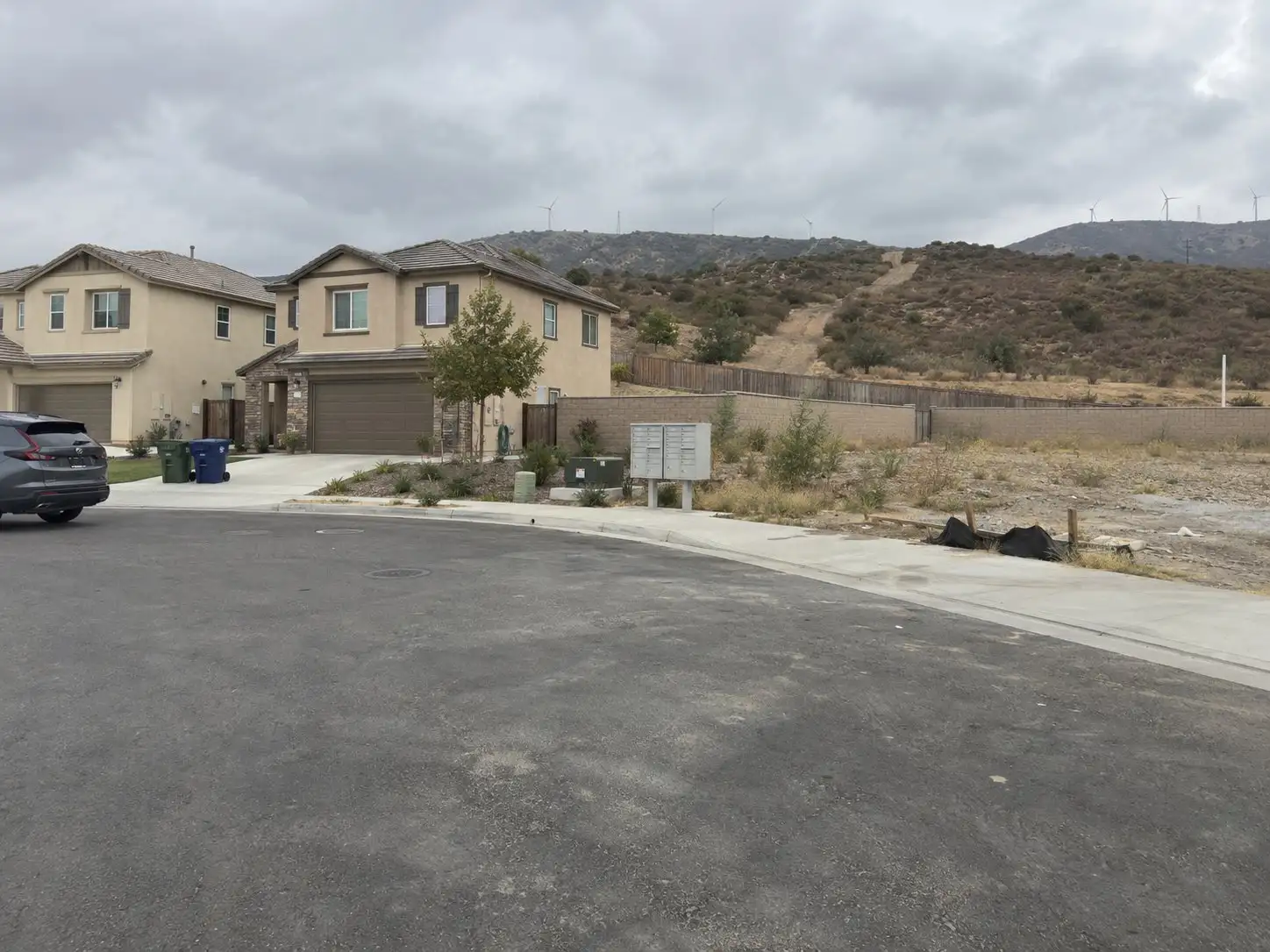
If you are looking at a home in Beaumont, the fire map matters before the offer, not after. The City publishes a page called Fire Hazard Severity Zones, and it is short, plain and worth reading once with a specific address in mind.
This guide walks through what that page says, how to look up a property, and what a zone label changes for building, hardening and insurance questions. It does not say which Beaumont streets sit in which zone. Only the maps and the seller’s paperwork can do that for a particular address.
What does Beaumont’s fire hazard zone page say?
The City’s page explains that Fire Hazard Severity Zone maps were created after destructive fires to identify areas where risk reduction strategies apply. It states that the State Fire Marshal is mandated to classify lands within State Responsibility Areas into zones, and that zones come in three levels: Moderate, High and Very High.
The City also names the state authorities behind the program, including Public Resources Code sections 4201 to 4204, Title 14 section 1280 of the California Code of Regulations, and Government Code sections 51175 to 51189.
The most useful sentence on the page for a buyer is a caution. The maps identify hazard potential, not the immediate risk, and they do not account for mitigating factors such as defensible space or fire-resistant construction. In other words, a zone label describes the setting, not the condition of the house you are about to buy.
How does a buyer find a home’s zone?
You look up the address on the state’s map and then confirm it against the seller’s disclosure. The City’s page links to the Statewide Hazard Zones Viewer, along with the California Fire Marshal’s office, CAL FIRE fact sheets and California Department of Insurance materials about how fire hazard affects insurance.
On the paperwork side, the Natural Hazard Disclosure statement under Civil Code section 1103.2 asks the seller whether the property is in a High Fire Hazard Severity Zone in a state responsibility area, a Very High zone in a state responsibility area, or a Very High zone in a local responsibility area. The statute also has a map-ambiguity rule: when the hazard maps lack enough clarity, the seller marks “Yes.”
The form carries its own warning, which is worth repeating. It says the maps estimate where natural hazards exist and are not definitive indicators of whether a property will be affected by a natural disaster. If the viewer and the disclosure disagree, or the address sits near a line on the map, ask your agent to resolve the difference in writing before your contingency period ends. The natural hazard disclosure report guide explains who prepares that report and what it contains.
What changes in a High or Very High zone?
According to the City, owners of homes in either zone face home hardening requirements, wildland-urban interface building codes for new construction and renovations, and a duty to disclose the zone when selling. For Very High zone properties the City adds one more item: maintaining 100 feet of defensible space.
Those are the City’s words, and they are the reason the label deserves attention. It affects what you can build, what you may need to fix, and what the next buyer will be told when you sell.
The City page frames the building rules as applying to new construction and renovations. That matters if you are planning an addition, a large remodel or a rebuild. Ask the City’s building division, before you write an offer, what a project like yours would trigger for a specific address. A buyer who assumes an older house can simply be expanded may find the wildland-urban interface standards come with the permit.
What does defensible space mean around the house?
Defensible space is the managed ground around a building, and the law gives it specific dimensions. Public Resources Code section 4291 requires defensible space of 100 feet from each side and from the front and rear of the structure, but not beyond the property line. It calls for more intense fuel reduction between 5 and 30 feet from the structure, and an ember-resistant zone within 5 feet.
Government Code section 51182 sets matching duties for very high zones. It also lists specific tasks: removing tree portions within 10 feet of chimneys, keeping vegetation near buildings free of dead wood, and keeping roofs clear of debris. The same section says owners are not obligated to manage fuel on land they do not legally control.
For a buyer, that last point is practical. If the neighboring lot is the problem, the law does not hand you a fix, so look at what sits next door as well as what sits on your parcel. A quick walk of the property line with the lot map in hand tells you more than the zone label does.
What must the seller give you?
In a High or Very High zone, Civil Code section 1102.19 requires the seller to give you documentation showing the property complies with Public Resources Code section 4291 or with a local vegetation management ordinance. Where a local ordinance exists, that means the compliance documents it requires. Where none exists, the seller provides inspection documentation from a qualified agency obtained within six months before the sale.
If the seller has no documentation, the statute allows a written agreement. You and the seller agree that you will take responsibility for obtaining it, either under the local ordinance or within one year after the close of escrow. Read that clause carefully before you sign it, because it moves a task and a possible cost from the seller to you.
Separately, Civil Code section 1102.6f applies to homes built before January 1, 2010 in these zones. The seller gives you a notice that the home was built before the wildland-urban interface building codes took effect, with a pointer to readyforwildfire.org, and a list of which low-cost retrofits have been done. The seller also states whether the home has any of these features:
- Roof vents with openings larger than one-eighth inch, or without flame and ember resistance
- Untreated wood shingles or shakes
- Combustible materials within five feet of the home
- Single pane or nontempered windows
- Loose or missing roof flashing
- Gutters without metal or noncombustible covers
If a final defensible space inspection report exists, the seller provides a copy. The statute states that this section does not create building code requirements, so the list is a map of what to look at, not a repair order.
How does hardening fit into the inspection?
That list is a ready-made inspection checklist. Walk the roof edge, vents, gutters, window panes and the five feet of ground against the walls, and ask your inspector to note each one. Some fixes are small. Others change a roof or windows. Get quotes for anything flagged so you can weigh it against the price.
Our wildfire hardening guide explains what each upgrade is meant to do and how the building code treats them. Use it to sort the cheap, quick items from the ones that belong in your negotiation.
What should a buyer ask about insurance?
Ask for a quote before you commit, and ask the insurer what documentation it wants about the roof, vents and defensible space. The City’s page links to California Department of Insurance material on how hazard zones affect coverage, which is the right place to read the state’s own explanation.
Two points from the statutes are worth knowing. First, Government Code section 51182 allows insurers to require greater defensible space distances in specific circumstances backed by documented findings from a fire expert, so an insurer’s request can exceed the state minimum. Second, Public Resources Code section 4291 requires owners who rebuild after a fire to give their insurer a copy of the final inspection report once construction is complete.
If a standard insurer will not write the policy, the state’s insurer of last resort may be the fallback. The FAIR Plan guide covers what that policy includes and leaves out, and the insurance non-renewal guide shows how coverage problems affect a later sale. Do not rely on an assumption here. An insurance answer in writing is cheap, and it settles a question that can otherwise surface during escrow.
The short version
Beaumont’s own page says the fire maps show hazard potential, not the condition of a house, and that High and Very High zones come with hardening requirements, wildland-urban interface building codes for new work, and a duty to disclose. Very High adds 100 feet of defensible space.
Before you offer, look up the address in the state viewer, read the seller’s disclosure and defensible space paperwork, check the hardening list, and get an insurance answer. If you want a starting point on what a home might be worth, try the home value tool.
Common questions
How do I find out whether a Beaumont home is in a fire hazard severity zone?
Start with the City of Beaumont's Fire Hazard Severity Zones page, which links to the Statewide Hazard Zones Viewer. You can also ask for the seller's Natural Hazard Disclosure statement, which has to say whether the home is in a High or Very High zone. Treat the viewer as the map and the disclosure as the paperwork, and compare the two.
Does a fire zone mean the house is likely to burn?
No. The City's page says the maps identify hazard potential, not immediate risk, and they do not account for defensible space or fire-resistant construction. Two homes in the same zone can carry very different risk depending on the roof, vents, and the ground around the house.
What does the seller owe me if the home is in a High or Very High zone?
Civil Code 1102.19 requires the seller to give you defensible space compliance documentation. If the seller has none, you and the seller sign a written agreement under which you take on getting it. For a home built before 2010, Civil Code 1102.6f adds a written notice and a checklist of wildfire vulnerability features.
Will my insurer care about the zone?
Insurers can, and a buyer should ask early. Government Code 51182 even allows insurers to require more defensible space than the state standard when a fire expert documents the need. The City's page points to California Department of Insurance material on how fire hazard affects coverage, so read that and get a quote before you remove contingencies.
