



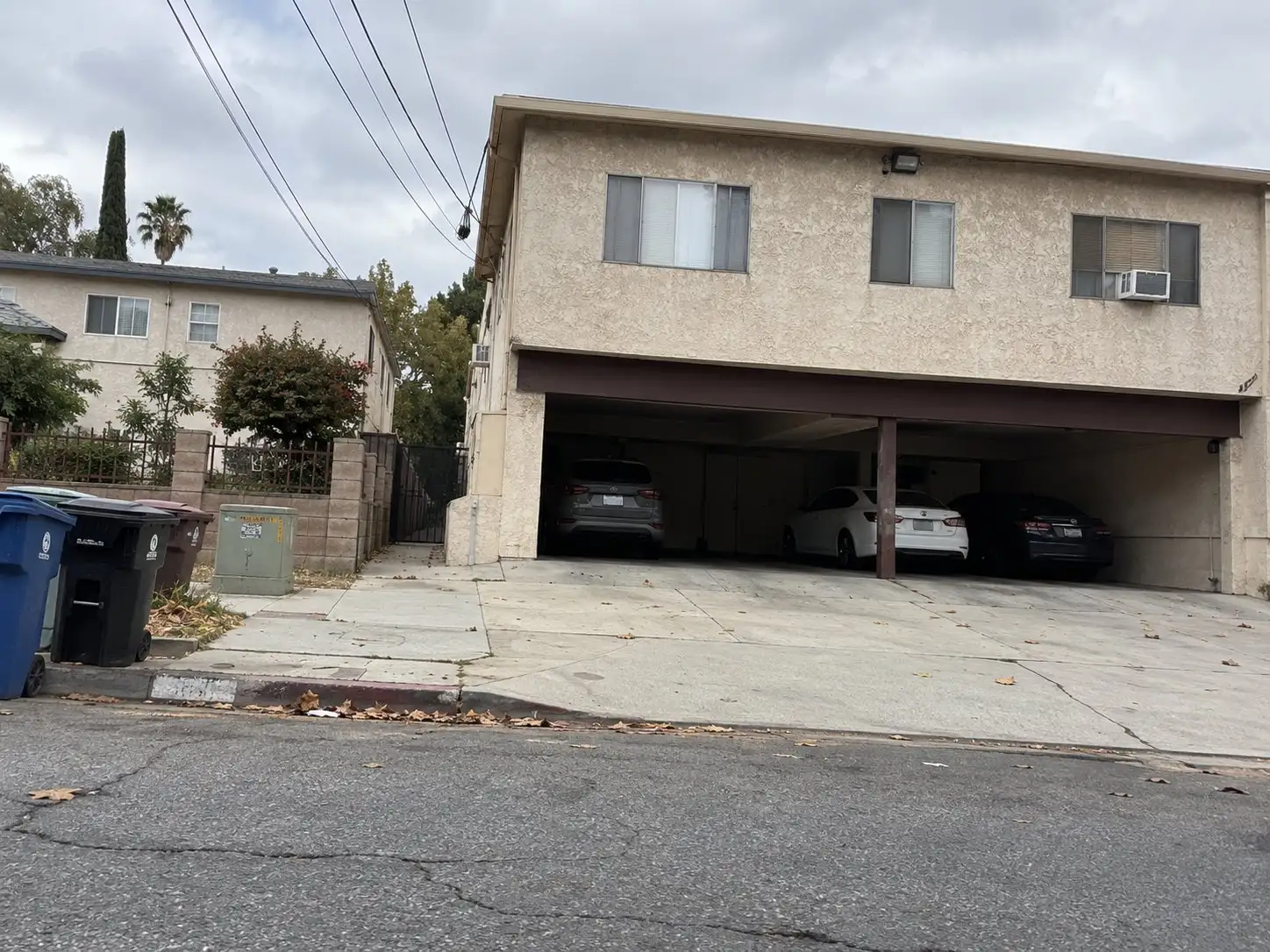
The words soft-story tend to show up in the due diligence file of an older Pasadena apartment building. They refer to a City of Pasadena rule about a specific kind of wood-frame building, and an open retrofit obligation changes what a buyer takes on at closing.
This guide is for investors and sellers dealing with multi-unit buildings. It covers what the city says the ordinance requires and how to check a building. It also covers the questions to put to the seller and the lender. Confirm the current status of any specific building with the city, because timelines and notices are handled property by property.
What is the Pasadena soft-story retrofit ordinance?
It is a mandatory seismic retrofit program for older wood-frame buildings whose ground floor is weak or open. The City of Pasadena adopted it as Ordinance No. 7345 on May 20, 2019, and the deadlines sit in Pasadena Municipal Code section 14.08.050.
The city describes soft-story buildings as wood-framed buildings with more than one story that typically have extensive ground story windows, garage doors or open-air spaces such as parking, with little or no solid walls. That open ground level is the weak point in an earthquake. The floors above rest on it, and it has less wall to resist sideways movement than the levels above.
The city’s page says staff identified approximately 493 wood soft-story buildings that require evaluation and possible retrofit. That figure is the city’s own estimate of the pool, not a count of buildings that have been found to fail.
Which buildings does it cover?
It covers existing wood-frame buildings, or wood-frame portions of buildings, that were permitted before a cutoff date and have a soft, weak or open-front ground story. Two conditions apply together, according to the city.
First, a permit for construction of the building was applied for on or before November 12, 1976. If no permit can be located, the ordinance covers the structure when the Building Official determines it was built under code standards enacted before that date.
Second, the ground floor or basement contains parking or similar open floor space that causes soft, weak or open-front wall lines.
So a building that has a ground-floor unit with solid walls and parking somewhere else is a different question from a building with tuck-under parking across its whole front. The city’s screening step exists for that reason, and you should not guess which side of the line a building falls on.
What is exempt?
The city lists three exceptions. Single-family residences are exempt. Multiple-family residential parcels containing four or fewer units are exempt. And ground floor or basement concrete podium levels with a rigid concrete diaphragm are exempt, although the first wood-frame story above a podium stays subject to the ordinance if it has soft, weak or open-front walls.
For a small investor this matters in both directions. A duplex, triplex or fourplex is outside the ordinance. A five-unit building with parking under it is inside the size range, at least on the city’s priority tiers.
What are the compliance steps and deadlines?
The clock starts on the date of the city’s Notice to Owner. The city’s timeline has three checkpoints.
Within one year of the notice, an owner who believes the property is exempt can submit the optional Screening Form to the Building and Safety Division at the Permit Center. The city says there is no fee for that review.
At the three year mark, the owner must submit retrofit plans and obtain a building permit. Resolution No. 9774 extended that step by twelve months, so the city now shows four years from the date of the notice for plans and permit. The city states that all other deadlines remain the same.
At the seven year mark, construction must be complete.
The city also sorted buildings into priority groups with different notice dates. Priority 1 covers parcels with buildings of three or more stories, 25 or more dwelling units in total, or qualified historic buildings of any size, and its notice date was December 5, 2019. Priority 2 covers parcels with 10 to 24 units and its notice date was December 2, 2020. Priority 3 covers non-historic two-story buildings with 5 to 9 units, with a notice date of March 3, 2021.
Because each deadline is counted from the notice, the group a building sits in tells you roughly where it is on the calendar. Do the counting from the actual notice, not from your own assumptions.
How do you check a building’s status?
Start with the city, then compare what it says to what the seller hands you. The city’s page gives an email address for general questions and for verifying whether a property requires a retrofit: softstoryretrofit@cityofpasadena.net. For technical questions, it points owners to the Permit Center to speak with a Building Division plan checker.
A workable checklist for a buyer looks like this:
- Ask the seller for a copy of any Notice and Order from the city and the date it was issued.
- Ask whether a Screening Form was submitted and what the city answered.
- Ask for the permit history at the Permit Center, and check whether retrofit plans were submitted or a permit was issued and whether it was finished.
- Ask for the engineer’s report and plans if the owner hired one. The city’s page directs owners to the state license lookups for engineers and for contractors, and you can use the same lookups to check the people named on the paperwork.
- Put the same questions in writing to the city and keep the reply in your file.
Missing paperwork is itself an answer. If a building of this age and layout has no notice, no screening response and no permits, ask why before you assume it is exempt.
How does an unfinished retrofit affect a sale?
It becomes a negotiation about time, permits and money, and the ordinance does not settle who pays. The city’s page does not address who bears the cost in a sale, so that is set by your purchase contract, not by the ordinance.
The common structures are a price adjustment, a seller credit, or the buyer taking the building as is and inheriting the deadline. Each one needs to be written down clearly. If the seller keeps the obligation, the contract should say who hires the engineer, who pulls the permit and who is responsible if a city deadline passes during escrow.
On the disclosure side, a seller who knows about a city order, a required retrofit or a stalled permit should expect that to be a material fact. Commercial and larger multi-unit sales use different forms than a house sale, so have your attorney or agent confirm which disclosures apply. The seller disclosure guide explains how the general known-defects rules work, and unpermitted work covers what happens when work was done without a permit.
What should lenders and investors ask?
Ask the lender early whether an open retrofit order changes anything. Lenders look at the property’s condition, its insurability and the cash flow that supports the loan, and a pending construction obligation touches all three. Whether a particular lender cares, and how, is theirs to say, so get their answer before you remove contingencies.
For investors using rental income to qualify, a DSCR loan is one route, and the same question applies: what will this lender need to see about the retrofit status, and does it affect the rent roll during construction. If units may need to be vacated or work will disrupt tenants, plan for that in the hold period, and check current tenant protection rules before you count on an unchanged rent roll.
How is this different from the earthquake disclosure guide?
They are separate rules. Under state law, a seller of a one to four unit light-frame building built before 1960 must deliver the Homeowner’s Guide to Earthquake Safety and disclose known bracing and anchoring deficiencies. Our earthquake retrofits guide explains that rule and the foundation and water heater items that go with it.
The Pasadena ordinance is a city mandate aimed at larger wood-frame buildings, and its exceptions cover the small properties the state guide is about. Delivering the guide does not resolve a city order, and a city order does not replace the guide where it applies. Treat them as two different checklists and check both.
The short version
Pasadena’s ordinance covers older wood-frame multi-unit buildings, permitted on or before November 12, 1976, with a soft, weak or open-front ground story. Single-family homes and parcels with four or fewer units are outside it. The deadlines run from the date of the city’s notice, and the plans and permit step is now four years and construction is seven. Before you buy or sell, get the notice, the permit history and the city’s confirmation in writing, and ask your lender how an open retrofit is treated.
If you own a Pasadena property and want a starting number before you decide whether to sell, try the home value tool. It is a starting point before a conversation about your specific building.
Common questions
Does Pasadena's soft-story ordinance apply to single-family homes?
No. The City of Pasadena lists single-family residences as an exception, along with residential parcels that contain four or fewer units. The ordinance is aimed at larger multi-unit wood-frame buildings.
How do I find out whether a Pasadena building is on the list?
The city's Soft-Story Retrofit Ordinance page directs owners to email softstoryretrofit@cityofpasadena.net to verify whether a property requires a retrofit. Also ask the seller for any Notice and Order the city sent and for the permit history.
How long does an owner have to finish the retrofit?
The city's timeline runs from the date of the Notice to Owner. Retrofit plans and a building permit are due at the three year mark, extended to four years by Resolution No. 9774, and construction must be complete at the seven year mark.
Does the earthquake guide the seller hands over cover this?
Not by itself. The state Homeowner's Guide to Earthquake Safety delivery rule is a separate requirement for older one to four unit light-frame buildings. A city retrofit order is its own item to ask about and disclose.
