



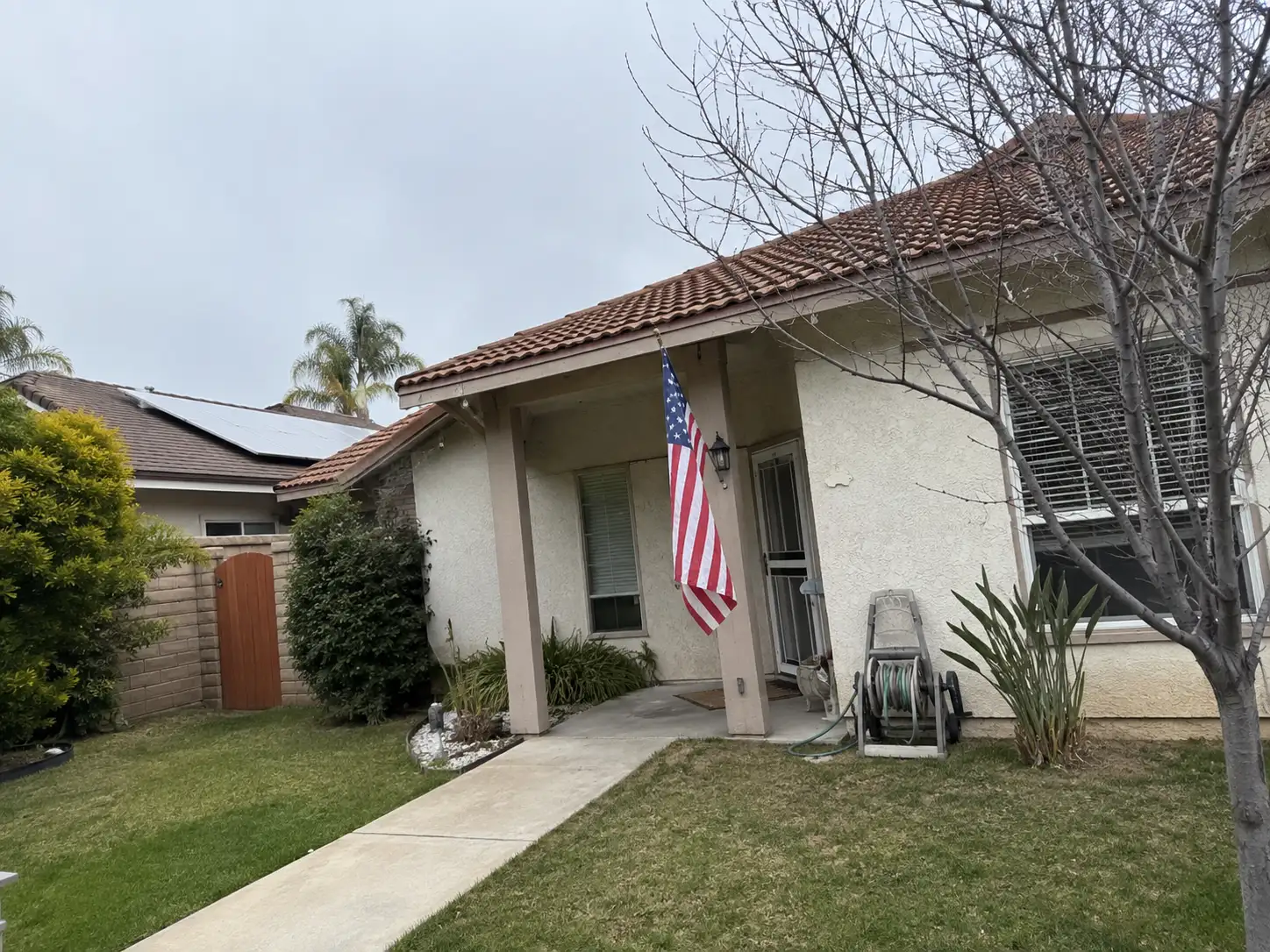
An approved city permit doesn’t answer whether a Palos Verdes Estates home’s exterior matches its Art Jury approvals. When you’re buying, that gap matters because PVHA says you assume non-compliant conditions after closing. When you’re selling, checking both files gives you information to disclose and address before the buyer takes ownership.
The sale involves two separate records searches: the city’s permit file and the Palos Verdes Homes Association’s Art Jury file. Neither substitutes for the other.
What is the Art Jury?
The Art Jury is the private design-review body of the Palos Verdes Homes Association, not a city board or commission.
The Palos Verdes Homes Association, or PVHA, describes itself as a nonprofit corporation whose authority comes from the Protective Restrictions. These legally enforceable deed restrictions were recorded in 1923. They are the basis for its review of exterior changes to homes. PVHA’s FAQ explains the distinction between that authority and the city’s building codes and ordinances.
The PVHA Board of Directors appoints the Art Jury’s six members. Three must be practicing architects, and members must recuse themselves from reviewing their own projects.
PVHA also enforces recorded restrictions in Miraleste, which is part of Rancho Palos Verdes. The PVHA requirements discussed below apply there too; the Palos Verdes Estates municipal-code requirements discussed below do not.
What exterior work does it review?
The Art Jury reviews plans affecting the external appearance of structures and properties, including maintenance such as repainting, re-roofing and replacing windows or doors.
A project doesn’t have to be an addition to fall within that scope. PVHA publishes separate applications for exterior colors, fences and walls, solar units, tree removal, landscape planting, hardscape, pools and other work. Its process flow chart says review considers architectural design, compatibility with existing structures, site planning, building coverage, height, color and materials.
Tree removal has its own approval and replacement conditions. For rooftop solar submitted through SolarAPP+, the city’s building page directs applicants to obtain PVHA approval before submitting through that portal.
Before ordering materials or arranging work, ask PVHA which application and property rules apply. Its FAQ says a homeowner or architect new to the process should speak with staff before initiating an application. Signed applications need all requested documentation; incomplete applications are not processed. Check PVHA’s calendar for meeting dates and confirm the applicable filing deadline.
How is Art Jury review different from city approval?
Art Jury review addresses architectural appearance, while the city handles construction codes and its own planning requirements.
PVHA’s FAQ says the Art Jury cannot approve construction that fails to conform to prevailing city codes or ordinances. That doesn’t make the Art Jury a municipal body. The city says PVHA approval is also required for most projects and describes it as a separate process.
Neighborhood Compatibility is another distinction. It is a city policy involving siting and massing, with a Planning Commission public hearing. Ask the Planning Department whether your proposed work needs that review. PVHA’s process flow chart says the Planning Commission does not review architectural design.
The municipal code names the Art Jury only in Chapter 17.22, the site plan permit chapter for multifamily and commercial zones. That chapter doesn’t establish a city Art Jury requirement for a single-family remodel.
For a purchase, request evidence from each office rather than treating a permit or an architectural approval as proof of both.
What does a Completion and Compliance inspection check?
A Completion and Compliance inspection compares existing exterior conditions with the Art Jury approved plans and other records in PVHA’s property file.
During the inspection, photographs are taken of the home’s exterior elevations and its front, side and rear yards. The inside isn’t inspected. PVHA compares the photographs with approved plans, then researches historical minutes and documents in the home’s master file. Findings go into a report sent to whoever ordered it, who is responsible for sharing it with the appropriate parties.
The application states the limits plainly. The inspection does not warrant workmanship or building code compliance, certify structure or landscape locations relative to property lines, or approve any condition on the property.
A pre-listing inspection can help you identify questions to investigate before selling. Keep its purpose separate from this file comparison. The PVHA report answers whether exterior conditions correspond to Art Jury approvals, rather than establishing the condition of the whole house.
What happens if earlier work wasn’t approved?
PVHA says the buyer becomes responsible for non-compliant conditions after escrow closes, including conditions created by an earlier owner.
Its notice to prospective buyers states:
“Failure to follow these recommendations will result in your assuming all non-compliant conditions, as well as the obligation to correct any violation which may exist. As-Built fees are due for non-complying conditions.”
The notice strongly advises buyers to contact PVHA, request compliance with the recorded restrictions and make compliance a condition of purchase. It says a Completion and Compliance inspection is required to determine compliance. That is different from saying the inspection is legally required to close: PVHA’s explanation explicitly says its result does not affect escrow closing.
When non-compliant items are found, PVHA says they go to Art Jury review after as-built fees are paid. An item can be accepted, accepted until a future remodel, or required to be corrected within a given period.
For a buyer, the useful question is therefore more specific than whether the home has permits. Ask what PVHA found, what disposition each item received and what remains to be corrected.
What does the seller need from the city?
The seller must obtain the city’s real property records report before completing the sale, subject to the exceptions in the municipal code.
Under PVEMC Chapter 5.25, section 5.25.030 places that duty on the owner or authorized representative. Section 5.25.050 requires delivery to the buyer before the sale is completed. The buyer signs the city’s receipt, which is returned to the city engineer or authorized representative.
The report covers available city records, including zoning, occupancy established by permits, recorded administrative actions, special use or development restrictions and copies of building permits. Plumbing, electrical and mechanical permits are excluded from those copies.
The code provides for delivery within five business days after a complete application. The report expires six months after issuance; an extension is possible under the code’s conditions. The city also says recipients should independently verify the information before relying on it.
This report doesn’t search PVHA’s approved plans or Art Jury minutes. PVHA’s inspection application specifically reminds sellers to obtain the separate city report.
How should you organize the records and disclosures?
Keep the city report and PVHA report together for review, while identifying which approvals and findings belong to each office.
PVHA says a Completion and Compliance inspection can be ordered only by the current homeowner, listing agent or escrow officer. Its application must be authorized and requested by the owner of record. PVHA records requests are owner-only, so a buyer should arrange access through the seller, listing agent or escrow.
For inspection costs, PVHA’s 2026 fee schedule effective 09.16.2026 lists $350 for each Completion and Compliance site visit. It also lists review fees of $800 per Full Art Jury meeting and $250 per Conference or Weekly Art Jury meeting. Confirm the applicable charges with PVHA.
The report doesn’t relieve sellers or their agents of disclosure obligations. For covered sales, California requires delivery of the completed Transfer Disclosure Statement as soon as practicable before transfer of title. The seller disclosure guide explains the broader framework. The unpermitted-work guide provides context for permit questions, but a city permit file cannot establish PVHA approval.
The short version
A Palos Verdes Estates purchase calls for checking both city records and PVHA’s separate Art Jury file.
Sellers obtain the city report and deliver it before closing; buyers sign its receipt. The Completion and Compliance inspection addresses a different question: whether the exterior matches PVHA’s approved records. Ask for its findings before accepting responsibility for unresolved conditions, and distinguish an accepted item from one still awaiting correction.
To start assessing your property’s value, use the home value tool.
Common questions
Is the Art Jury part of the City of Palos Verdes Estates?
No. It belongs to the Palos Verdes Homes Association, a private nonprofit whose authority comes from recorded Protective Restrictions.
Does the city records report include Art Jury approvals?
No. The city report covers city records. PVHA maintains a separate file of approved plans, historical minutes and property documents.
Who can order a Completion and Compliance inspection?
PVHA says the current homeowner, listing agent or escrow officer can order it. The application must be authorized and requested by the property owner of record.
Does a Completion and Compliance report guarantee building code compliance?
No. It compares exterior conditions with Art Jury approved plans and does not warrant workmanship, building code compliance or property-line locations.
Is the PVHA inspection legally required to close escrow?
PVHA says the inspection is required to determine deed-restriction compliance, but its result does not affect escrow closing. The separate city records report is required under the municipal code, subject to its exceptions.
